Everyday Living
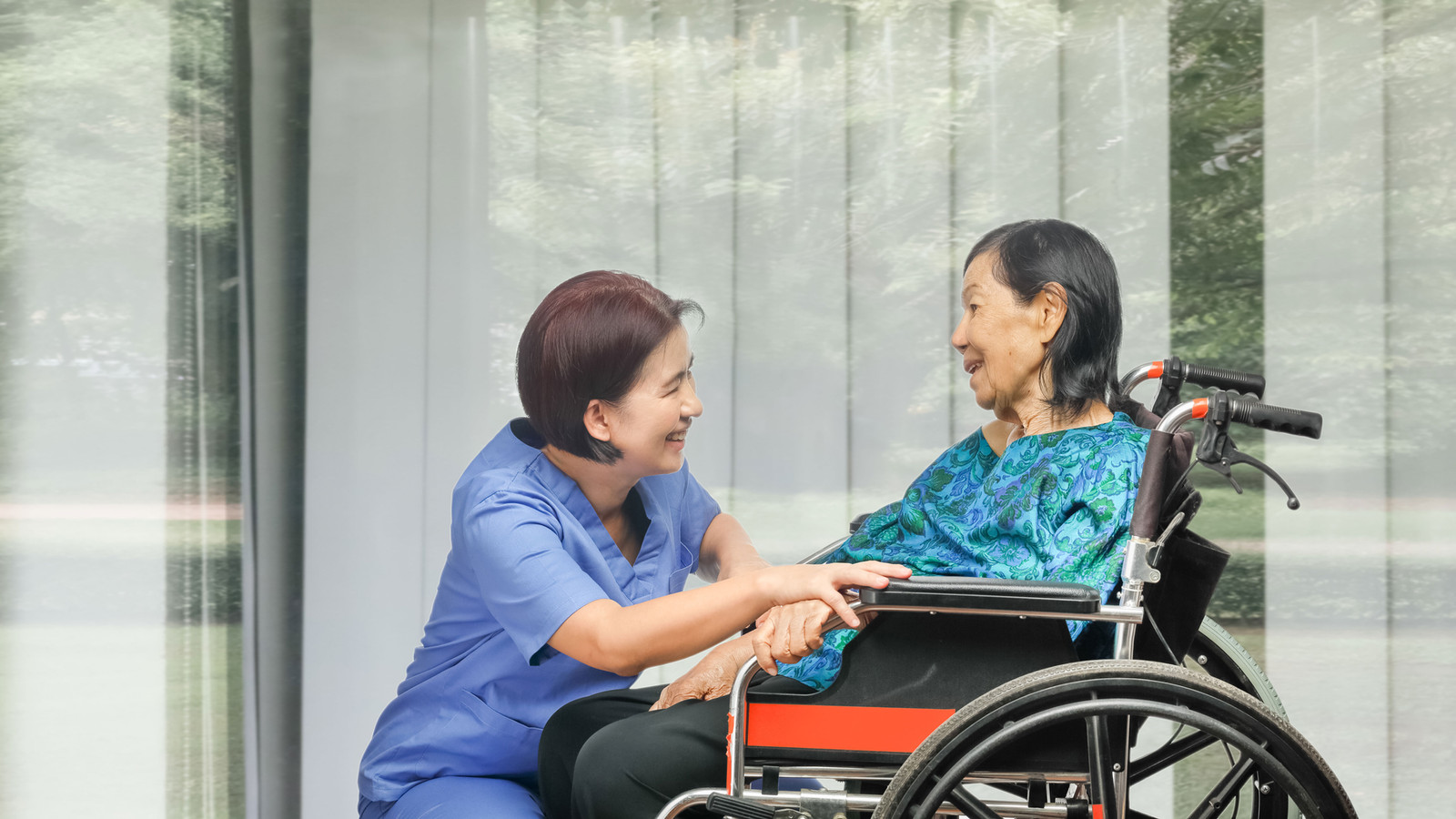
Daily living assistance, dressing and bathing help, and mobility and transfer support.
Nobody receives all of this on day one. The plan starts with what your parent actually needs, and grows only when their needs do.
Daily living assistance, dressing and bathing help, and mobility and transfer support.
Personalised care plans, medication management and doctor appointment support.
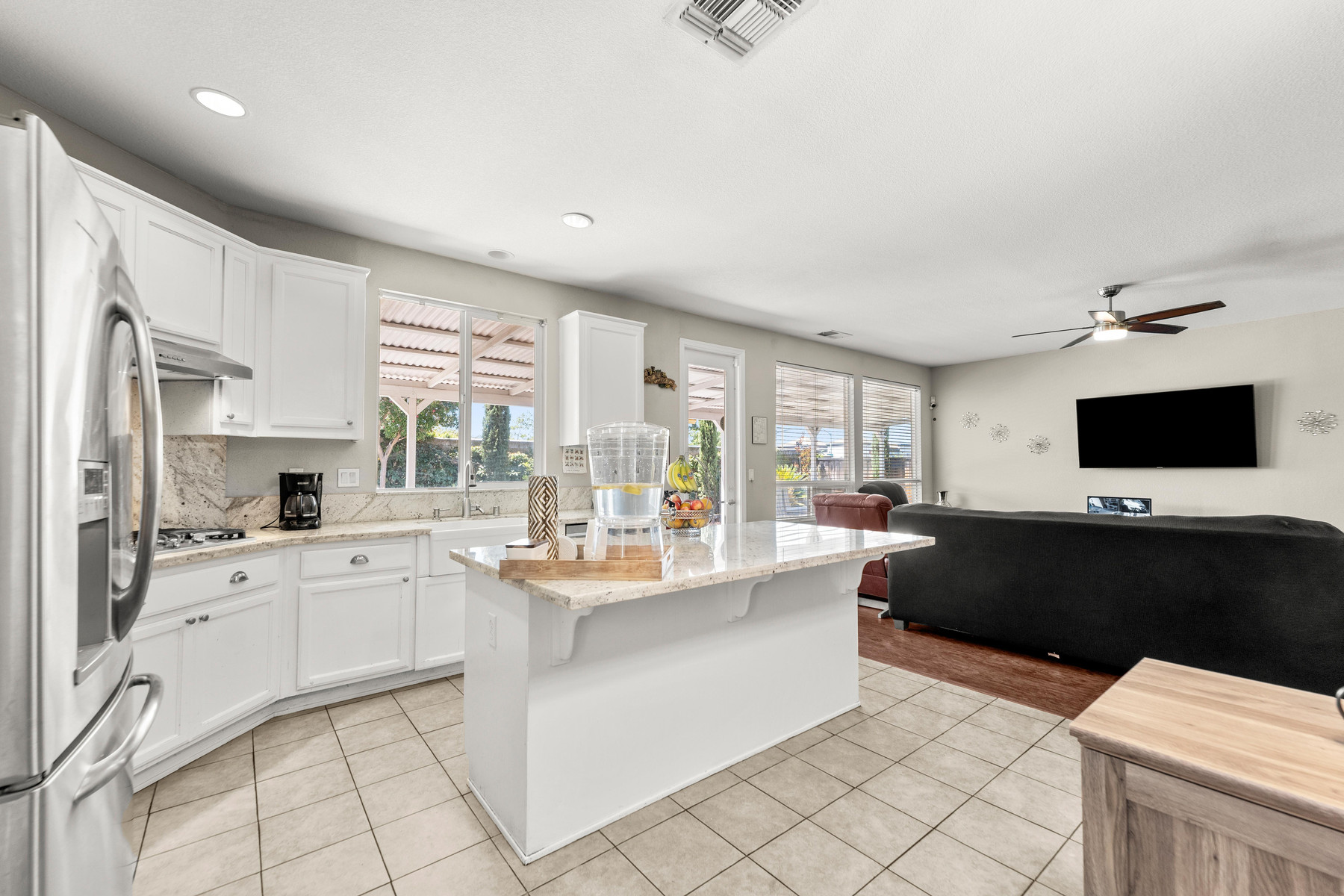
Nutritious dining prepared in-house, plus housekeeping, linens and laundry.
Activities, events and family support programs that keep people engaged and in touch.
24 hour supervision in a home adapted for older bodies and slower nights.
Dementia care, incontinence care and hospice care support within our non-medical scope.

The ordinary parts of a day are the ones that get hard first. We step in for those, and step back everywhere else.

Before anyone moves in, we sit down with the family and build the plan around one person — their history, their habits, their preferences and their risks.
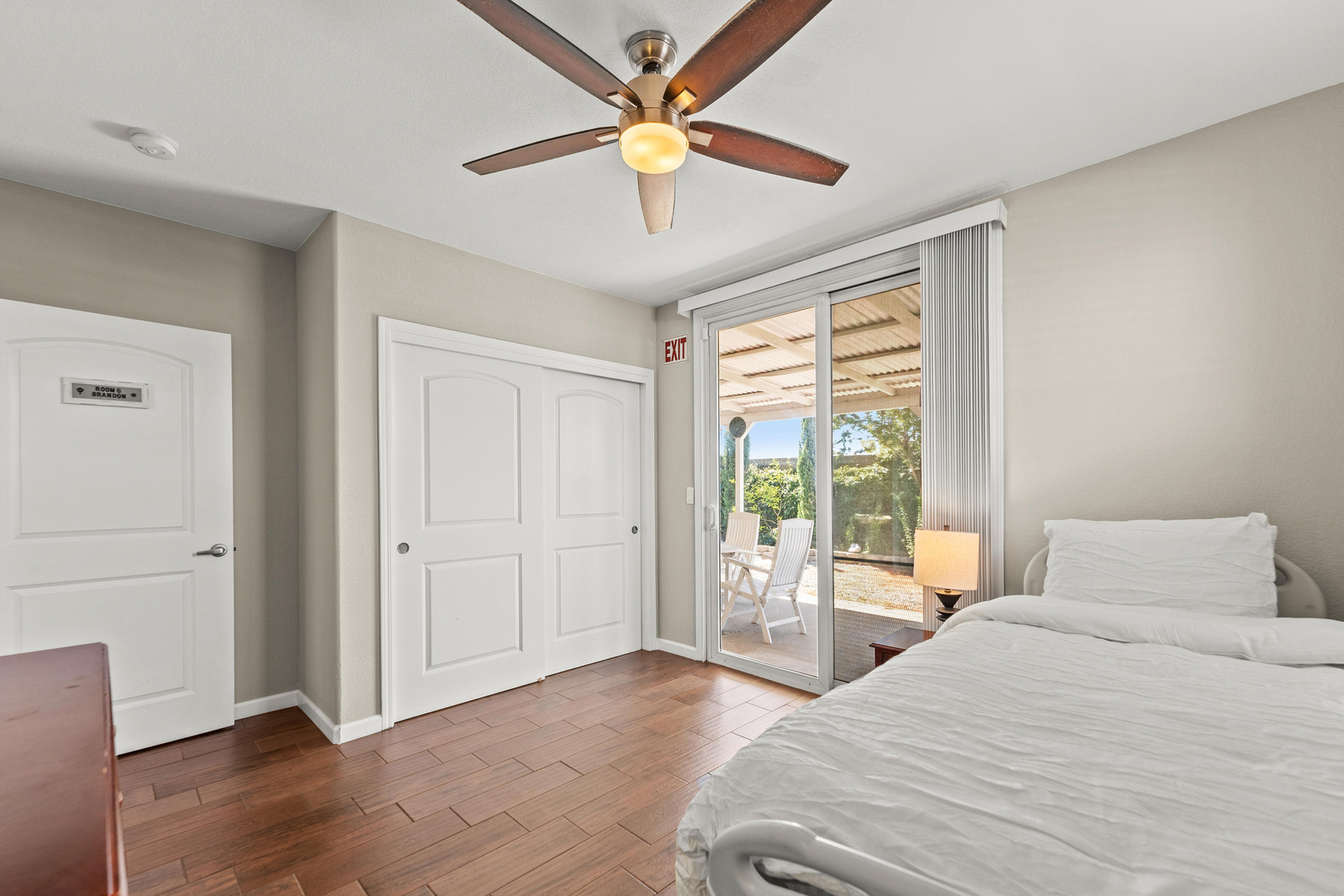
A clean, uncluttered home is a safer home — and it takes one more worry off the family's list.
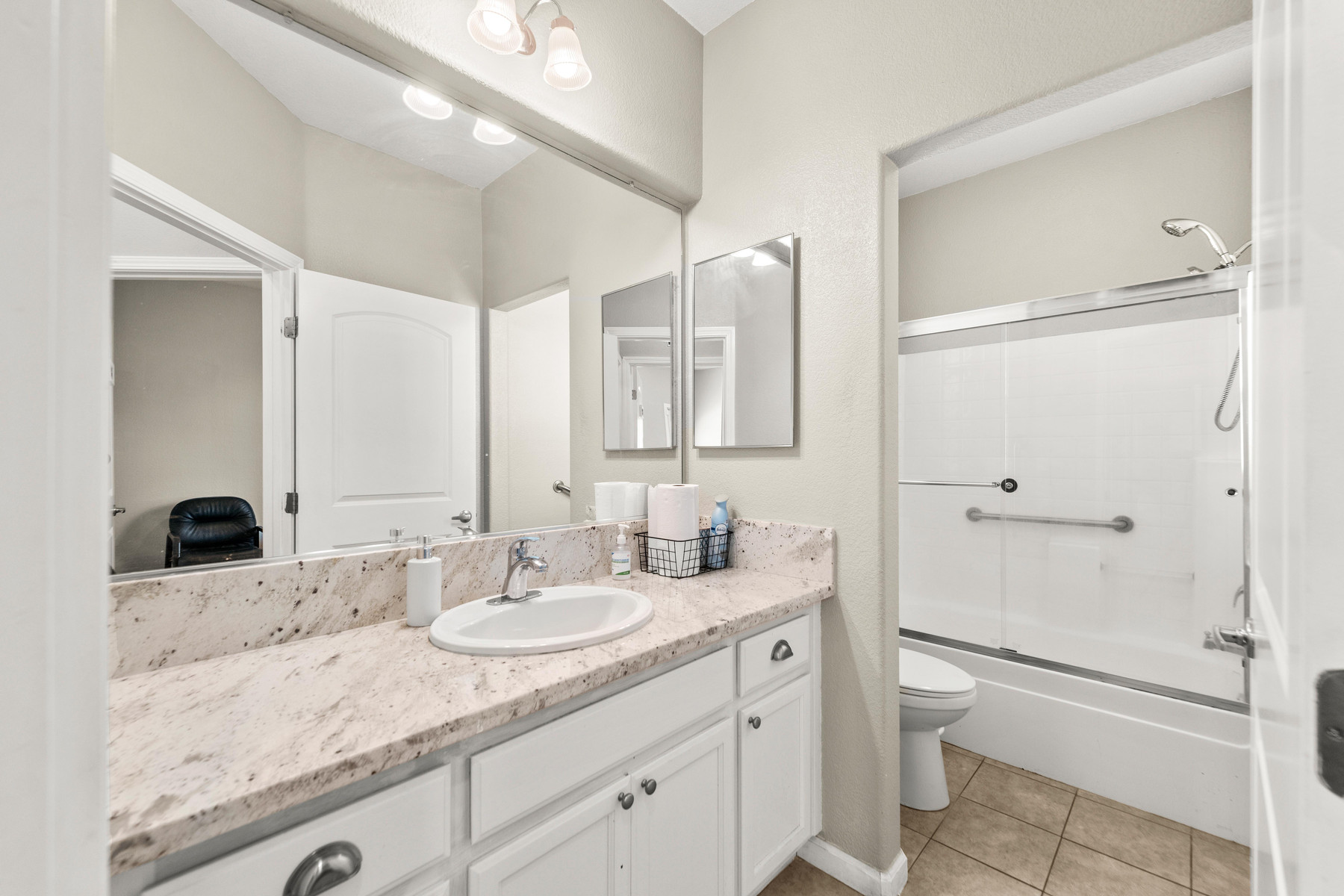
This is the part most parents dread and most adult children find hardest to offer themselves. It is handled here with privacy and no fuss.

Appetite fades with age, so food here is cooked fresh, seasoned properly and served at a table where people talk to one another.

An empty day is its own kind of decline. There is always something happening, and never any obligation to join in.

Moving a parent into care is hard on the family too. You get a named point of contact and honest, regular communication.
The question behind every tour is whether someone would notice at three in the morning. Here, someone would.
Most serious setbacks in later life start with a fall. Safe movement is treated as a daily priority, not an occasional one.
Missed and doubled doses are one of the most common reasons families decide it is no longer safe to live alone.
Appointments are exhausting to organise from another city. We keep the diary and make sure nothing is missed.
For someone losing their bearings, a small house with the same faces and the same routine every day is itself a form of care.
Dementia care here is residential and non-medical. We do not provide medical or psychiatric treatment, and we work alongside your parent's own clinicians.
Handled quietly, without embarrassment, and without it becoming the defining feature of someone's day.
When the time comes, most people would rather stay where they are known. We support that alongside your family's own hospice provider.
Hospice care support is residential and non-medical. Clinical hospice services are delivered by your family's licensed hospice provider.
Millport Villas is a residential care facility for the elderly providing non-medical assisted living. We do not provide medical or psychiatric services. Costs depend on the level of support in each personalised care plan — please contact us and we will walk you through it.
Most families are not. Tell us what a typical week looks like at the moment and we will be straightforward about what would help — and what would not.